 +1 (773) 234-5010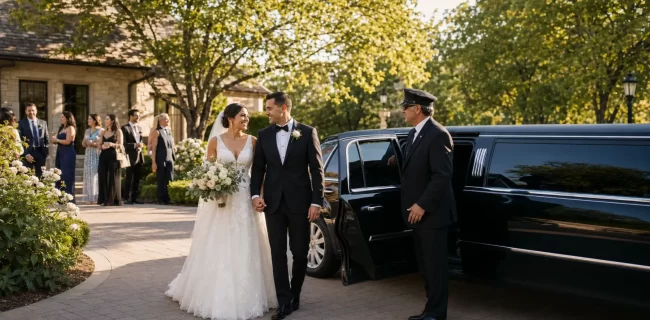
A Chicagoland wedding transportation timeline must connect homes, hotels, ceremony sites, photo locations, and suburban venues without leaving anyone behind. Distances are often longer than they appear. Separate households may also start in Glenview, Northbrook, Schaumburg, Oak Brook, Naperville, or another suburb.
The best plan groups passengers by location and role. It also gives older relatives, the wedding party, and late-night guests different options.
Start with a transportation map of every household
List every pickup address, not just the ceremony and reception. Mark hotels, family homes, the couple’s getting-ready locations, and the final return points. Then place each passenger into a vehicle for every segment.
This step exposes gaps early. A parent may need a ride from home to the ceremony but return to a hotel. An attendant may bring a partner to the reception. Out-of-town guests may arrive at O’Hare and stay far from the venue.
Keep airport trips separate from wedding-day transportation. Flight delays should not disrupt the ceremony schedule.
Eight to twelve weeks before: choose the vehicle mix
A long stretch limousine may suit the wedding party. A Sprinter can make group boarding easier. SUVs work well for families, luggage, and smaller household pickups. Guest shuttles may require vans or buses.
Count usable seats and cargo needs. Dresses, flowers, jackets, strollers, wheelchairs, and overnight bags take space. Review the Chicagoland wedding transportation fleet before confirming capacity.
One large vehicle is not always the best answer. Two smaller vehicles can serve different pickup areas and prevent one late household from delaying everyone.
Four weeks before: build realistic suburban drive times
Do not estimate travel by mileage alone. Expressway work, railroad crossings, Friday traffic, and local festivals can change a suburban route. A trip that feels short on Sunday morning may take much longer on a weekday afternoon.
Set the desired arrival time first. Add unloading and walking time at the venue. Then add a traffic buffer and loading time at each pickup. A wedding party rarely enters a vehicle as quickly as ordinary passengers.
If the route crosses the city, allow more room. Travel from a North Shore hotel to a downtown ceremony requires a different plan from two stops within the same suburb.
One week before: give every vehicle one captain
Assign one reliable contact to each group vehicle. That person confirms the passenger count, gathers bags, and calls dispatch if the schedule changes. The bride and groom should not manage transportation by phone.
Send one final schedule to the planner, venue, photographer, and transportation company. Include exact entrances and phone numbers. Remove old versions from the group chat to prevent confusion.
Wedding day: load by household and role
Ask passengers to wait at one door with personal items ready. Multiple house entrances create delays. At hotels, name the lobby or porte-cochère where the vehicle will meet the group.
Let the wedding party travel on its own schedule. Parents may need earlier access to the ceremony. Guests with mobility needs may require a closer entrance and more unloading time.
Reserve a small buffer before the ceremony. Arriving early gives the couple space to settle while the final guests enter.
Plan photographs without turning the day into a road trip
Suburban venues often have gardens, courtyards, or nearby parks. Using a location close to the reception can protect the schedule. A downtown photo stop may be worthwhile, but only when the route and available time support it.
Give the chauffeur and photographer the same departure deadline. Select a rain option in advance. A last-minute search for a covered location can delay the reception entrance.
Create an intentional late-night return schedule
Guests rarely leave at one time. Offer an early return for families and older relatives. Schedule another trip near the official reception end. A final vehicle may be needed for the couple, wedding party, and personal items.
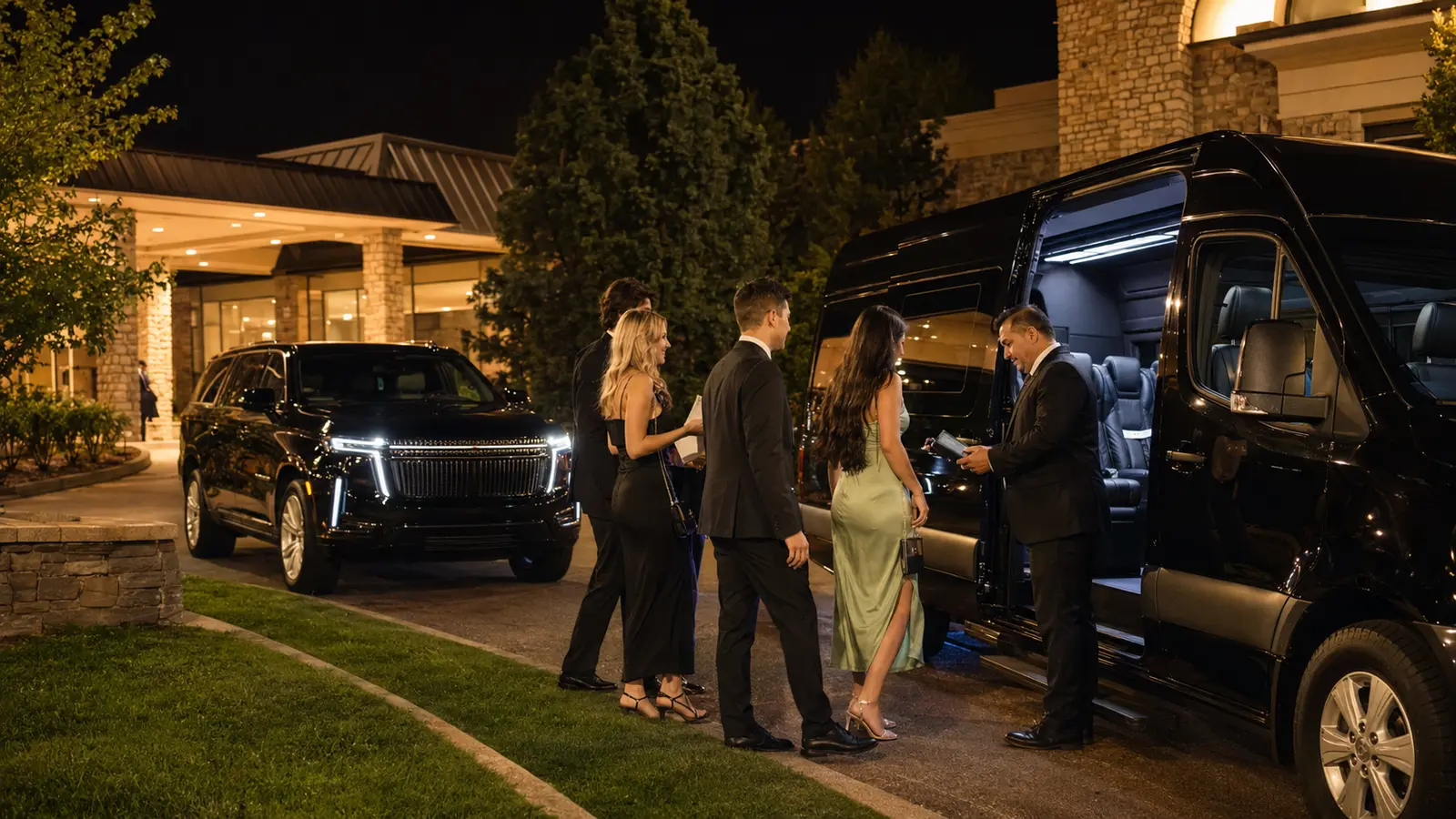
Post return times near the exit and share them through the wedding website. Use one well-lit pickup door. Confirm who rides to each hotel or home before the last song.
Allow for out-of-town guests and airport arrivals
O’Hare often works well for North Shore and northwest suburban weddings. Midway may suit southwest suburban venues. The flight schedule, luggage, and exact destination should decide the airport choice.
Arrange airport pickups with flight numbers and passenger phones. Group people only when arrival times are close. Asking one guest to wait a long time may save a vehicle but creates a poor welcome.
The group transportation planning approach also works for weddings: one coordinator, accurate passenger lists, and a clear schedule for every vehicle.
Reserve Chicagoland wedding transportation early
Popular Saturdays place heavy demand on stretch limousines, Sprinters, and larger vehicles. Send the full route, date, passenger counts, pickup addresses, venue entrances, photo plan, and return times when requesting service.
Use the Chicagoland online reservation form to begin. A complete timeline keeps separate households moving toward the same celebration—and gives every guest a planned ride home.

